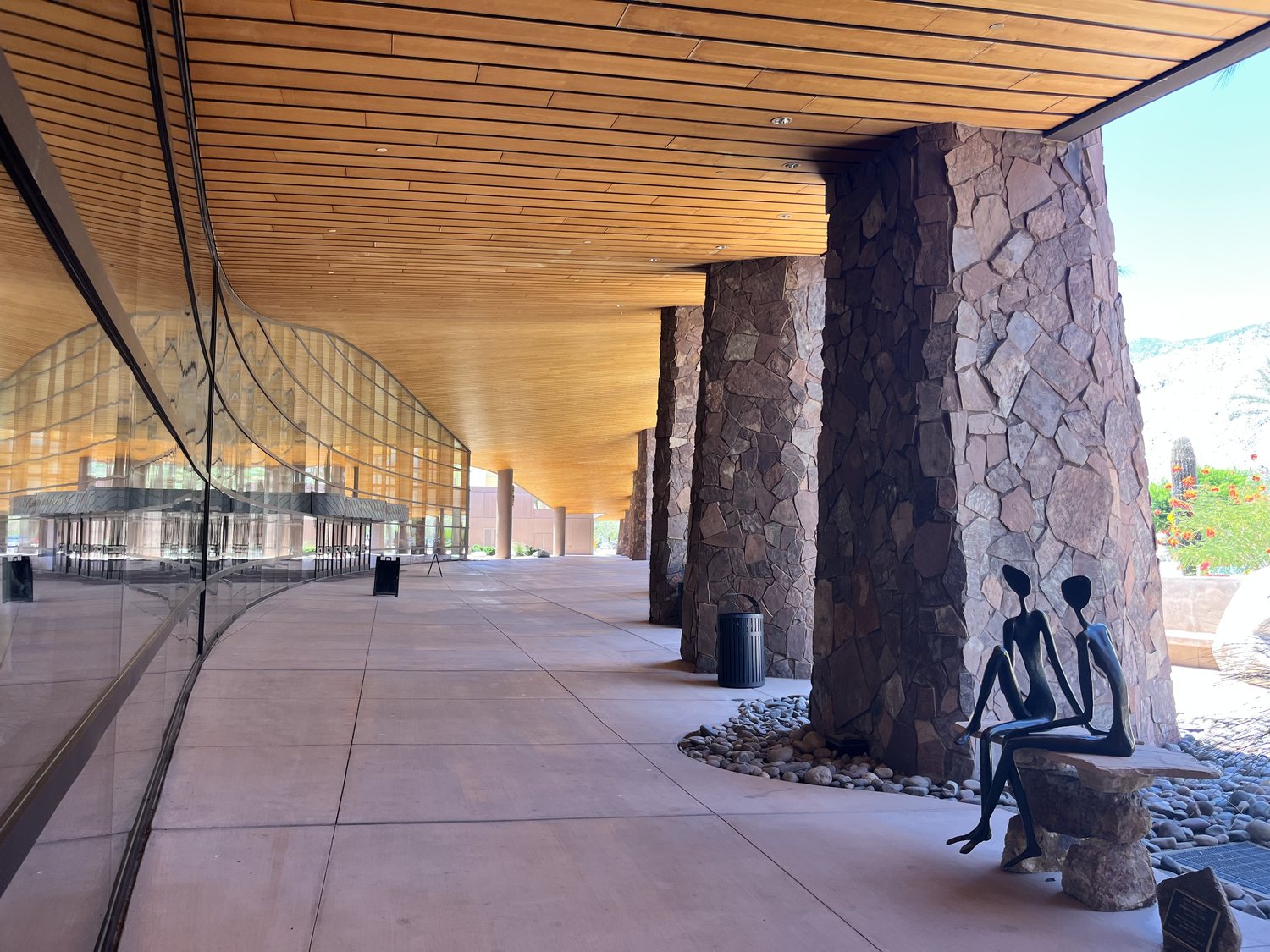
Two days in that conference hall changed how I see the next decade — not because of what the machines can do, but because of what I watched people decide to do with them.
The technology industry believes the frontier of artificial intelligence is intelligence: bigger models solving harder problems, machines reasoning their way to things no human could. I think they have it backwards. The frontier is trust, and trust is the one technology Silicon Valley cannot build artificially.
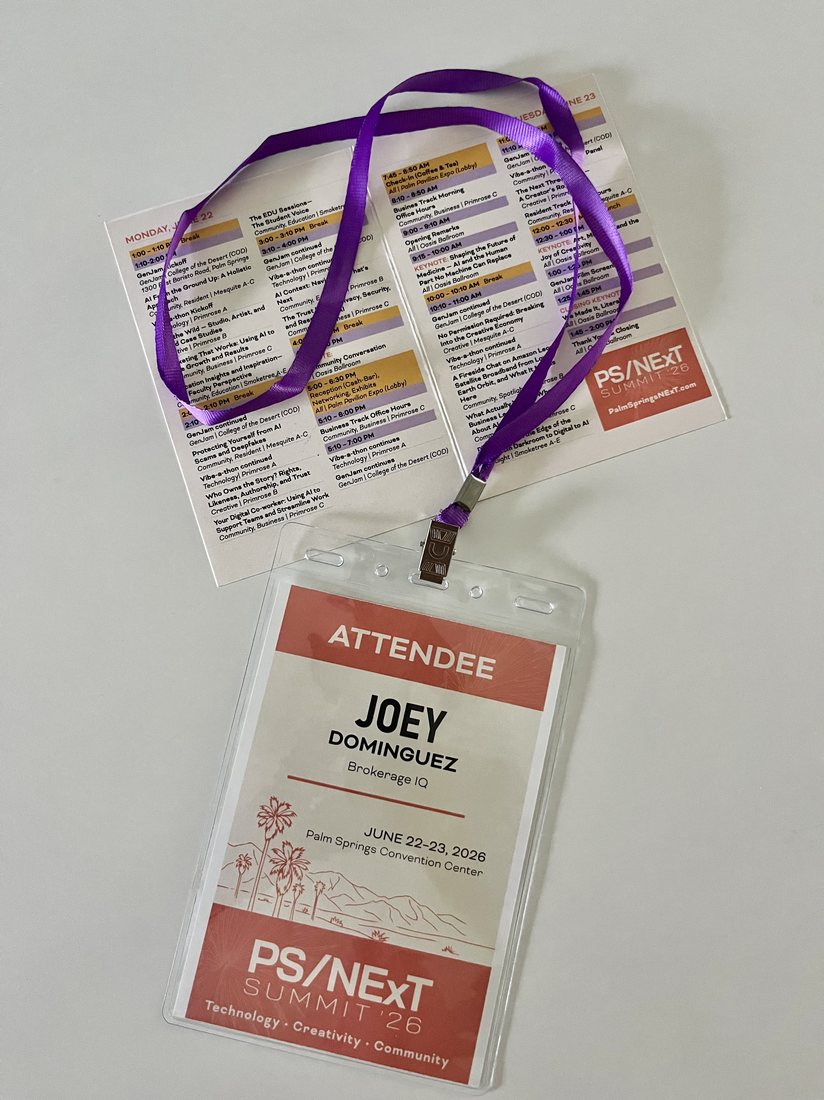
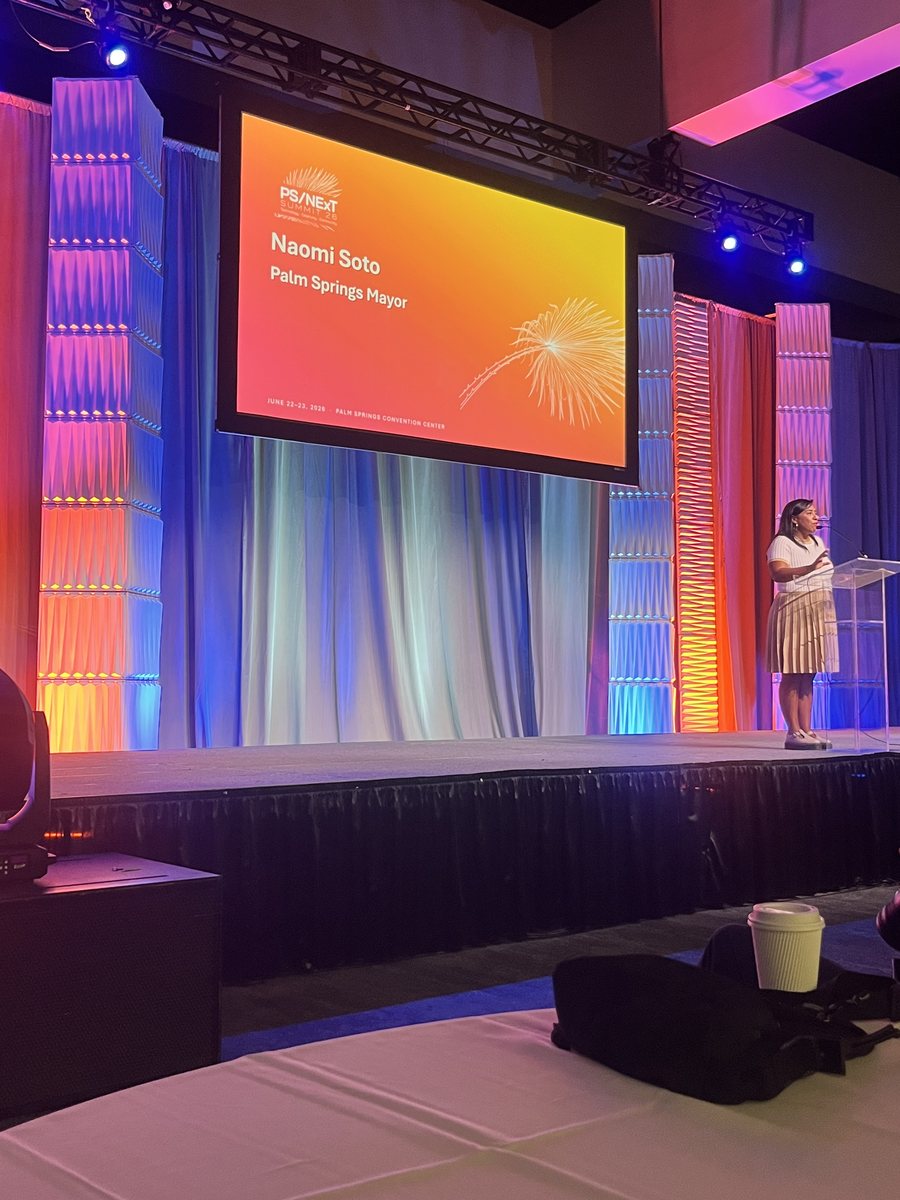
That was the question running underneath two days at the PS/NExT Summit 2026 in Palm Springs. A physician, a mayor, an artist, a room of teenagers building their first films, none of whom would ever share a stage anywhere else, were all asking the same question: where does the human belong once the machine can do nearly anything?
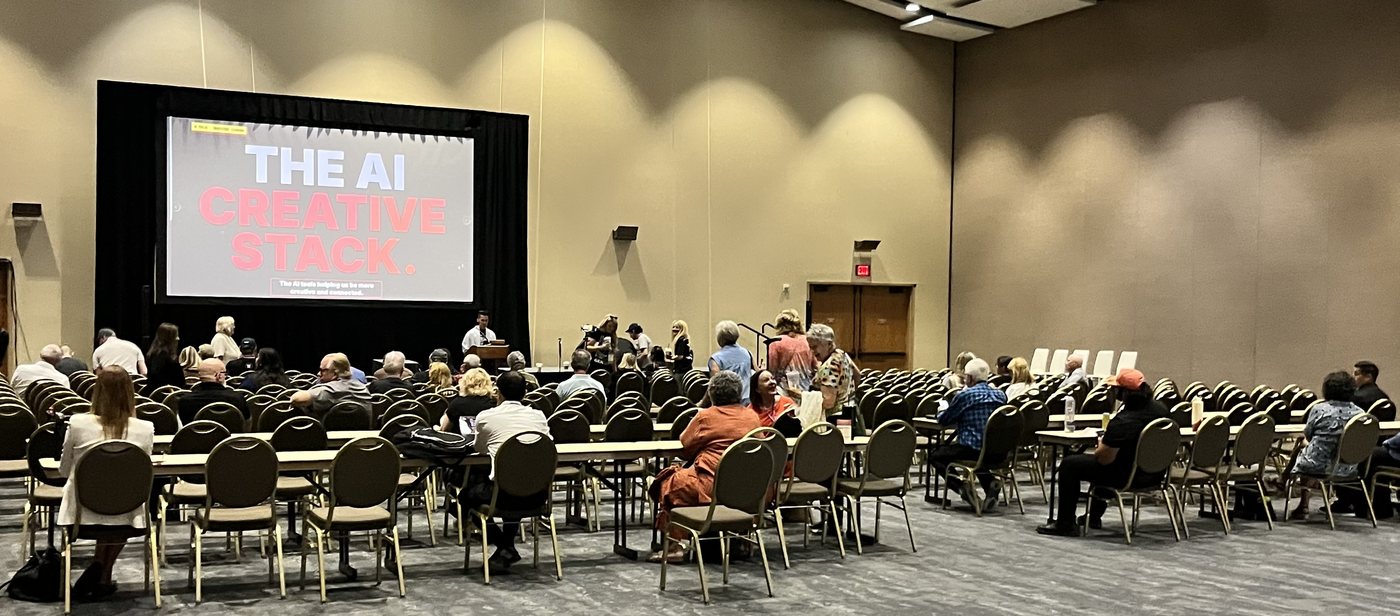
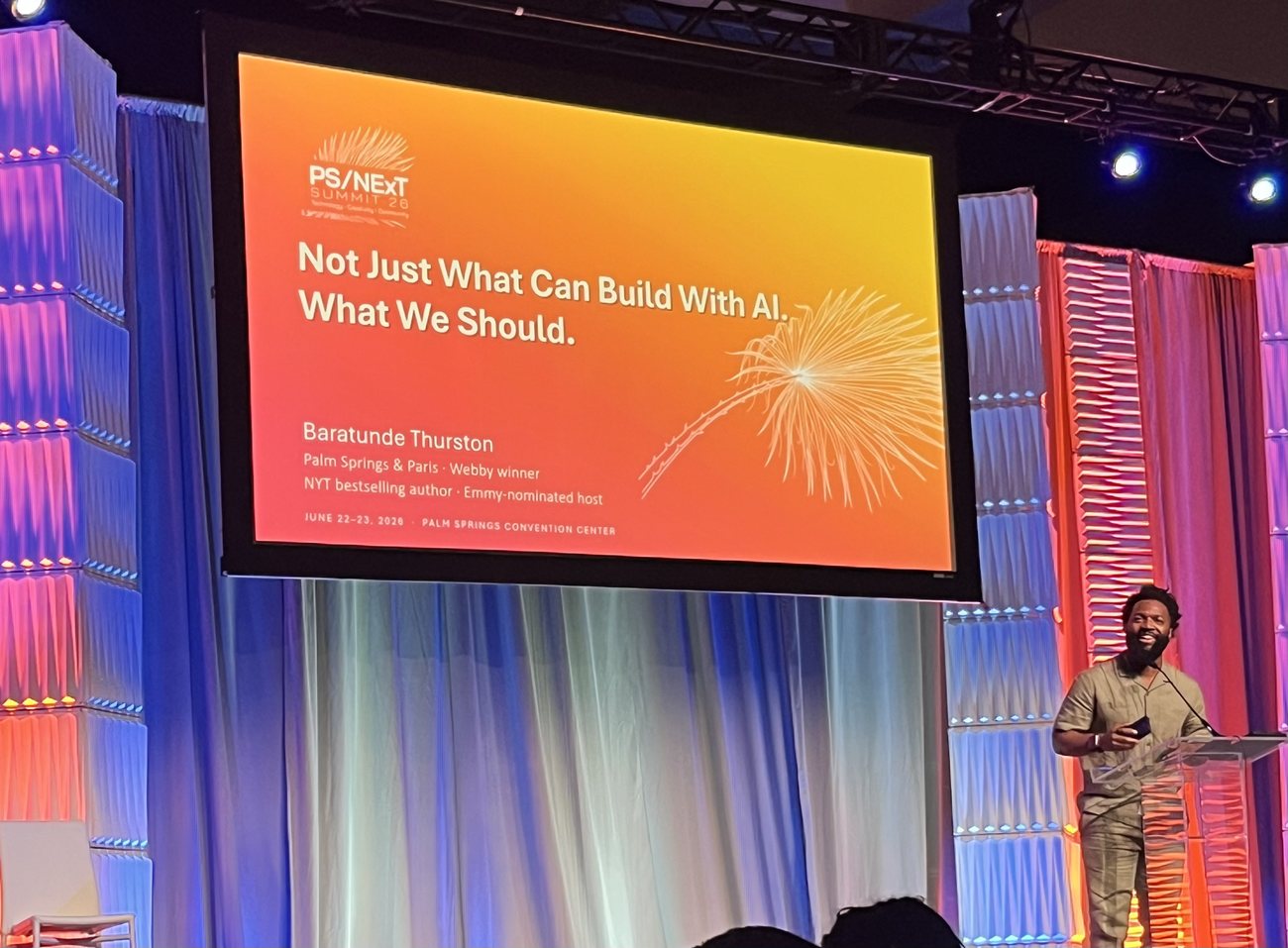
What struck me was that they all arrived in the same place from different doors. Baratunde Thurston, the writer who closed the summit, refused to sit inside the loop and said he wanted to be the one who draws it, the answer of an artist. Dr. Eric LaRue, the Eisenhower Health physician, built it into a framework, the higher the stakes of a decision, the closer the human stays to its center. Naomi Soto, the mayor of Palm Springs, spoke from a lifetime of meeting each new technology on her own terms and called for a community that experiences its tools rather than being experienced by them. Kelly Boesch, an artist who reinvented her career on these tools and now reaches audiences in the hundreds of millions, was the living proof of what they were all describing, a person who took the machine in hand and became more, not less.
Silicon Valley keeps selling a different story, one where the machine is the main character and the human is along for the ride. The people who do the actual work of medicine and government and art and real estate know better, because they meet the moment where the work touches a real life. No matter how much we automate, no matter how far past us the machine runs, it cannot output trust. Trust stays at the center of the partnership with the machine, and at the center of every relationship the work exists to serve.
The most powerful technology of our lifetimes amplifies the people who use it well, clearing the way for skilled professionals to do more of the work that only they can do. I built Brokerage IQ on that conviction. The platform watches the deadlines no human can track 24/7, organizes the paperwork that used to swallow a professional's week, and surfaces the details so the agent can focus on execution. This hands the licensed professional back hours, and those hours go to what their clients came for in the first place: the judgment, the guidance, the fiduciary duty owed at the moments that matter most to a family.
This is the future I believe in, and it is the one I am building. No matter how far the machines run ahead of us, the trust a person places in another person remains the thing they cannot output, and it remains ours to keep. The loop is ours to draw, not Silicon Valley's. And we are standing in its center.